How to Participate in Brantford City Council Meetings and Influence Local Decisions

Did you know that fewer than 50 people typically attend Brantford City Council meetings in person—even when decisions affecting thousands of residents are on the agenda? That's not because our community doesn't care. Most of us simply don't know how easy it is to show up, speak up, and actually influence what happens at City Hall. This guide covers exactly how you can participate in Brantford's local government, from attending council meetings to joining advisory committees, so your voice becomes part of the decisions shaping our neighbourhoods, roads, and public spaces.
In a mid-sized city like ours, individual voices carry real weight. Unlike massive urban centres where citizens get lost in the bureaucracy, Brantford operates at a scale where one well-prepared presentation can shift a vote. A handful of engaged residents can change the direction of a policy. Your participation isn't symbolic—it's practical, immediate, and genuinely impactful.
When and Where Does Brantford City Council Meet?
Brantford City Council gathers at City Hall, located at 100 Wellington Square in the heart of our downtown core. The building sits just blocks from the Grand River, and if you're coming by bus, the Brantford Transit terminal is a short walk away. Regular council meetings happen twice monthly on Tuesday evenings, typically starting at 6:30 PM. You can find the exact schedule on the City of Brantford's council meetings page.
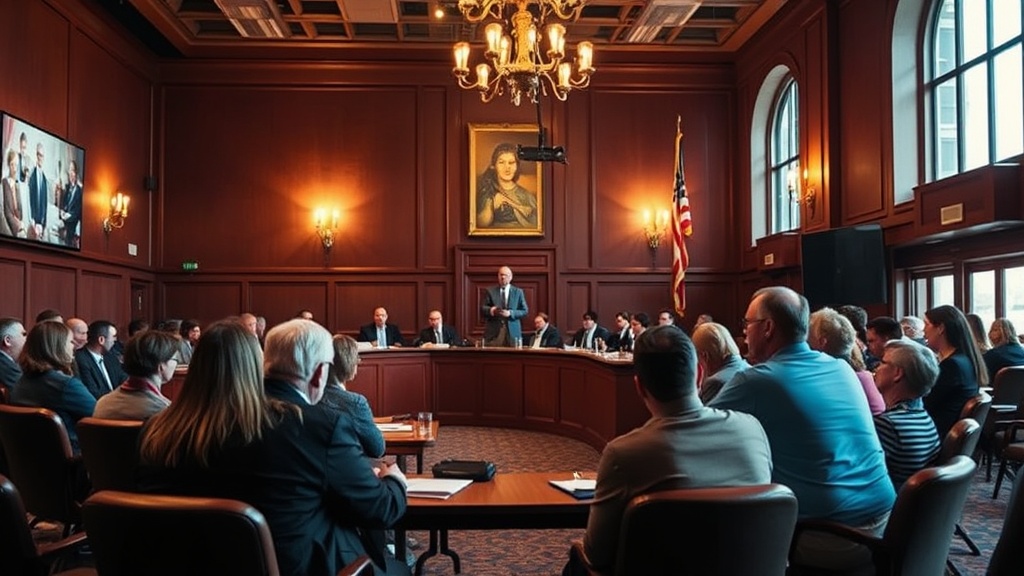
These meetings take place in the council chambers on the main floor of City Hall. The room features a public gallery with seating for approximately 60 people—though it's rarely filled to capacity. The space is fully accessible, with ramps, elevators, and hearing assistance devices available. If you're driving, you'll find municipal parking directly across Wellington Street, and it's free after 6:00 PM on weekdays.
Can't make it in person? Most Brantford residents follow council business from home. The city live-streams every meeting on their website, and archives remain available for years. You can watch last month's debates about the Colborne Street redevelopment while you're folding laundry on Sunday afternoon. The video quality is decent—though you might want to turn the volume up during some of the more heated exchanges.
The agenda for each meeting gets posted several days in advance, usually by the Thursday before. It's a substantial document, often running thirty to fifty pages, but don't let that intimidate you. Most agendas follow a predictable structure. They open with approval of minutes and routine business. Then comes the delegation portion—this is where residents speak. After that, council moves into reports from staff and committee recommendations. If you're tracking a specific issue—perhaps a zoning change near your home or a new program at the Wayne Gretzky Sports Centre—scan the agenda for relevant headings. Staff reports typically include background information, financial implications, and recommended actions.
Beyond regular council meetings, Brantford also holds Committee of the Whole sessions where councillors discuss issues in a less formal setting. These meetings happen on alternate Tuesdays from regular council meetings, and they're excellent opportunities to see how your representatives think through complex problems. The public can attend these sessions too, though you typically can't speak during them—they're for councillor discussion only. Still, watching these deliberations gives you insight into who's persuadable on which issues, information that proves invaluable when you do make a delegation later.
How Can You Speak at a Brantford City Council Meeting?
Speaking at a Brantford City Council meeting is called "making a delegation"—and it's your right as a resident. You don't need legal expertise, public speaking experience, or political connections. You simply need to register in advance. Contact the Clerk's Office at City Hall by phone or email before noon on the day of the meeting. Provide your full name, address, and the topic you wish to address. They'll add you to the agenda, usually early in the evening's proceedings.
When you arrive at City Hall, you'll pass through security—standard procedure, nothing stressful. Arrive fifteen minutes early to get settled. The clerk will show you where to sit and explain the process. When your name is called, you'll approach the podium facing council. You'll have five to ten minutes to speak, depending on the agenda's length. That time limit is strict—the clerk will cut you off when your time expires, so preparation matters.
Write out your key points beforehand. Practice once or twice in your living room. Start your presentation by stating your name and neighbourhood clearly. ("Good evening. I'm Sarah Chen, and I live on Dufferin Avenue in Ward 2.") Be specific about what you want council to do. If you're concerned about speeding traffic near Prince Charles School, don't just complain about the danger—propose concrete solutions like speed bumps, additional signage, or enforcement blitzes. Council members respond better to constructive input that shows you've thought through the practicalities.
Bring visual aids if they help. Photos of potholes, diagrams of traffic patterns, or petitions signed by neighbours—all of these make an impact. Bring enough copies for every councillor plus one for the clerk. After you finish speaking, councillors might ask questions. Don't panic if this happens. They're usually seeking clarification, not trying to challenge your expertise. Answer honestly. If you don't know something specific, admit it and offer to follow up. ("I don't have the exact traffic volume numbers, but I'd be happy to get those from city staff.") A little humility goes a long way in our community's political culture.
After the meeting, stick around in the hallway if you can. Informal conversations with councillors after formal proceedings often prove more productive than the official presentation. Exchange contact information. Follow up with an email thanking them for their attention. Building these relationships means they'll remember you when similar issues come up again—and in local politics, issues always come up again.
What Other Ways Can You Participate in Brantford's Local Democracy?
Attending council meetings isn't the only way to shape decisions in our city. Brantford maintains several advisory committees that meet monthly and provide detailed input on specific policy areas. The Planning Advisory Committee reviews development applications and zoning amendments. The Transit Advisory Committee examines bus routes, fares, and service improvements. The Heritage Committee advises on matters affecting our historic buildings and districts. These committees do the detailed work that council later votes on.
Joining a committee requires a formal application, usually submitted in the fall when terms expire. You don't need to be a professional planner or historian—just someone with genuine interest and relevant experience. If you live in the Terrance Hill neighbourhood and care about preserving its character, the Heritage Committee wants your perspective. If you ride Brantford Transit daily and have thoughts on route frequency, the Transit Committee needs riders at the table. Most positions require a two-year commitment, with meetings scheduled in the evening to accommodate working people. You can find current openings on the city's committees and boards page.
Direct contact with your ward councillor offers another powerful avenue. Brantford is divided into ten wards, each represented by one councillor plus a mayor elected citywide. Your councillor holds regular office hours, checks email, and meets constituents for coffee at places like the Blue Dog Cafe on Colborne Street or the Brantford Public Library downtown. Find your representative on the Mayor and Council page and reach out. Whether you're furious about garbage collection changes or worried about a development proposal on your street, start the conversation.
Social media also plays a role in modern local politics. Most Brantford councillors maintain Facebook pages or Twitter accounts where they post updates and respond to questions. While these platforms shouldn't replace formal delegation or committee work, they're useful for staying informed about upcoming votes and understanding where your representatives stand on contentious issues. Just remember that public comments on social media are—well, public. They can help your cause or hurt it, depending on your tone and accuracy.
Local government touches every part of our daily lives in Brantford—from the condition of the sidewalks we use with strollers to the parks where our kids play soccer. Yet too many of us leave these decisions to a handful of highly engaged residents. That's a mistake that costs us in the long run. Our city works better when diverse voices fill the council chambers, when different perspectives shape the debates, when the people affected by decisions actually have a say in making them. The mechanisms for participation exist. They're open. They're waiting for you to walk through the door at 100 Wellington Square, send that email, or make that call.