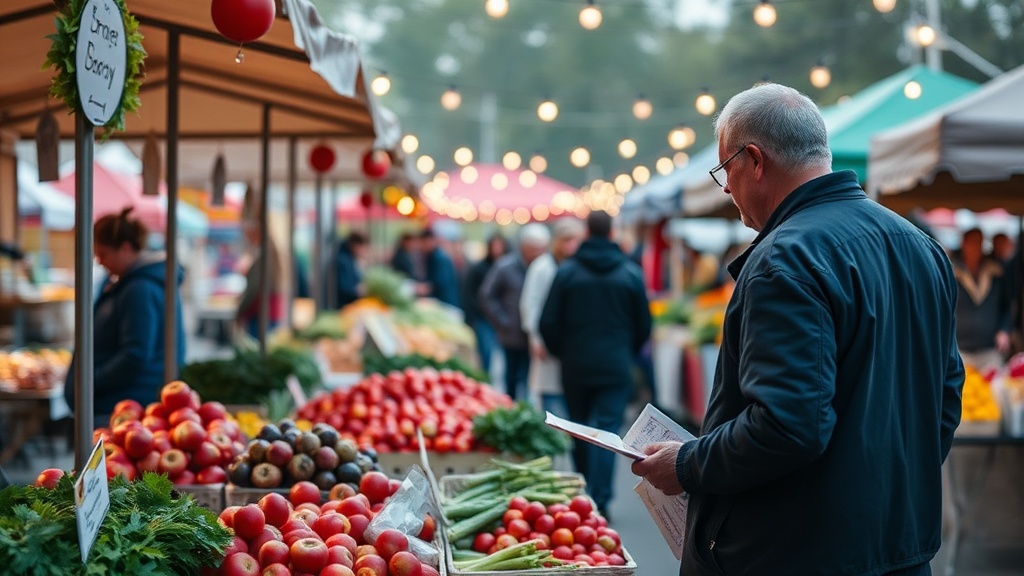
Getting the Most Out of the Canards Brantford Farmers' Market

Most people assume that visiting the Canards Brantford Farmers' Market is just a way to pick up a bag of apples or a carton of eggs. That's a mistake. If you treat it like a standard grocery run, you'll end up paying more for less variety and missing out on the actual value of the local food system. This guide shows you how to time your visits, what to carry, and how to source high-quality ingredients that you simply won't find at the local No Frills or Sobeys.
The Canards Brantford Farmers' Market isn't just a place to shop; it's a seasonal rotation of what Ontario's soil is actually producing right now. To get the most out of it, you need to understand the rhythm of the market-goers and the specificities of the vendors.
When is the Best Time to Visit the Farmers' Market?
The best time to visit is early in the morning, specifically between 8:00 AM and 10:00 AM, to ensure you get the freshest produce and the widest selection of limited-run items.
If you show up at 11:30 AM, you might find the best heirloom tomatoes or the freshest sourdough loaves are already gone. I've seen it happen more than once. The most popular vendors—the ones with the high-demand baked goods or specific seasonal greens—often sell out by mid-morning.
There's a certain energy in the air during those first two hours. It's quieter, the air is cooler, and the vendors are at their most helpful. They haven't been standing on their feet for five hours yet, so they're often more willing to chat about how to prepare a specific type of kale or what makes their honey unique.
Keep in mind that the market is a seasonal operation. While it provides a great sense of community, the availability of goods shifts drastically from the heavy harvest of August to the root vegetables of October. You'll want to track what's in season via the general seasonal availability of agricultural products in Ontario to avoid disappointment.
What Should You Bring to the Market?
You should bring reusable bags, a sturdy tote, and a small amount of cash to ensure a smooth transaction.
While many vendors have moved toward digital payments, some of the smaller, more traditional stalls still prefer cash—or at least find it much easier. It’s a good idea to have some $5 and $10 bills on hand for quick exchanges.
Don't forget the heavy-duty stuff. If you're planning on buying several heavy jugs of fresh juice or large bags of potatoes, a backpack or a rolling cooler is a lifesaver. Carrying a heavy basket of berries and sourdough bread in your bare hands while trying to navigate the crowd is a recipe for a mess.
- Canvas Totes: Best for bread, herbs, and light leafy greens.
- Insulated Bags: Essential if you are buying dairy, meat, or anything that needs to stay cold in a car.
- Small Change: For those vendors who might have a minimum for card transactions.
- A Sharp Knife: Sometimes it's helpful to see the inside of a melon or a vegetable before you buy it.
I always tell people to bring a dedicated "produce bag" for things like loose mushrooms or berries. It keeps your bag organized and prevents your bread from getting crushed by your heavy items. It’s a small detail, but it makes the trip much more pleasant.
How Much Does a Typical Grocery Trip Cost?
A typical basket of seasonal produce, bread, and artisanal goods will cost between $40 and $70, depending on how much meat and specialty items you include.
The reality is that buying local can sometimes feel more expensive than the big-box stores. You aren't just paying for the food; you're paying for the quality, the lack of long-distance shipping, and the direct support of local farmers. However, if you shop smart, the value is undeniable.
Here is a quick comparison of how your spending might look between a standard grocery store and the farmers' market for a typical "specialty" haul:
| Item Type | Standard Grocery Store (Average) | Farmers' Market (Average) |
|---|---|---|
| Sourdough Loaf | $3.50 (Mass produced) | $6.00 - $8.00 (Artisan) |
| Local Honey (500g) | $8.00 (Store brand) | $12.00 - $15.00 (Small batch) |
| Seasonal Berries (Pint) | $4.50 (Out of season) | $5.00 (Peak season/Local) |
| Organic Eggs (Dozen) | $5.00 (Standard) | $7.00 - $9.00 (Pasture raised) |
While the per-unit price might be higher, the flavor profile of a local tomato versus a grocery store tomato is a different world entirely. If you're looking for a way to improve your cooking, this is the place to do it. If you're still figuring out your local food budget, you might want to check out Ontario food safety and sourcing standards to understand what you're actually paying for.
How Do You Find the Best Produce?
Look for produce that is slightly "imperfect" and check the color and firmness of the item to ensure peak freshness.
The biggest mistake people make is looking for the most "perfect-looking" vegetable. In a commercial grocery store, everything is bred to look uniform and plastic-like. At the market, the produce is real. It might have a slightly odd shape or a bit of dirt on it—that's actually a good sign. It means it hasn't been overly processed or washed with chemicals to look "pretty" for a shelf.
When you're picking out greens, look for vibrant color and crispness. If the edges of the lettuce are turning brown, leave it. If you're buying fruit, look for a heavy feel; weight usually indicates juice and freshness.
Don't be afraid to ask questions. This is the most underutilized resource at the market. If you see a vegetable you don't recognize, ask the vendor, "How do I cook this?" Most of them are incredibly passionate and will give you a tip or two. They might even suggest a specific seasoning or a way to roast it.
If you're looking for more ways to enjoy the local lifestyle in Brantford, you might enjoy learning about the best coffee shops in downtown Brantford to pair with your fresh market finds. A fresh pastry from the market and a coffee from a local shop is a classic Saturday morning move.
One thing to watch out for: don't buy too much of one thing just because it's "on sale." I've seen people buy five pounds of zucchini because it was cheap, only to have it rot in the fridge by Tuesday. Buy what you can actually use in the next three days.
The market is a way to connect with the people who grow your food. It's a different way of living that prioritizes quality over convenience. It takes a little more planning, but the reward is a better kitchen and a better connection to the Brantford community.
Steps
- 1
Arrive Early for the Best Selection
- 2
Bring Reusable Bags and Small Bills
- 3
Check the Seasonal Availability Calendar
- 4
Talk to the Producers Directly